


Preview
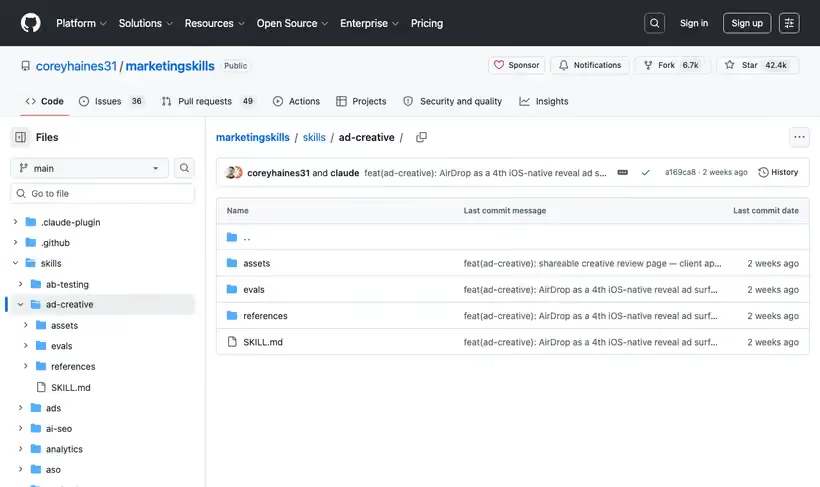
What it is.
The best decision in this skill is a refusal. If the winning-ads folder or the reviews folder is empty, it stops and asks you to populate them, because ungrounded generation produces plausible copy based on training data instead of what converts for your brand.
It runs four modes: generate from scratch, iterate against performance data, scaled static batches of around 50 concepts, and a creative strategy loop that decides which ads are worth making before anyone makes them.
Platform limits are enforced instead of suggested. Google responsive search ads get up to 15 headlines at 30 characters and 4 descriptions at 90, and Meta primary text is treated as 125 visible characters against a 2,200 ceiling.
What you get.
- Ad copy that fits each platform's limits, checked before delivery
- A grounded inputs structure covering winning ads, reviews and ad comments
- An iterate mode that reads performance data and builds on the patterns that won
- A static ad template library plus a creative review page for stakeholder sign-off
- A creative roadmap with production tiers and a monthly retro that feeds the next batch
How to set it up.
Install with npx skills add coreyhaines31/marketingskills --skill ad-creative -a claude-code.
Build the inputs folder first. Put 10 to 20 screenshots of your highest-performing ads from the last 90 days in inputs/winning-ads.
Add 50 to 100 customer reviews as text files in inputs/reviews, and the top comments from live campaigns in inputs/comments.
Name the platform and format before generating, because the character limits and the rules differ per surface.
For search ads, ask for headlines that read independently and in any combination, and pin positions only where you have to.
Feed performance data in iterate mode as a CSV or a paste. The loop reads the winners, finds the pattern, and generates around it.
Pricing Plans
Free. MIT license.
Checked against the repo in July 2026.
Use cases
A grounded static batch
The paid team needs dozens of concepts. Fill the winning-ads folder with screenshots of your top performers and the reviews folder with customer text, and the scaled mode returns a batch of concepts each traced back to source material.
Iterating on winners
You have a month of performance data and want the next round to build on it. Paste the CSV into iterate mode and it reads the winners, names the pattern, and generates the next batch around it.
Search ads inside limits
Responsive search ads need headlines that read independently and in any combination. Name the platform and format, and the copy arrives checked against the character limits before delivery.
Getting the batch approved
The client wants to see the creative before anything runs. The creative review page format puts the whole batch in front of them without anyone building a deck.
Best for
Producing static ads at volume
Mode 3 is built for batches of around 50 concepts traced back to source material, which is the volume a paid team needs.
Deciding what to make next
The strategy loop ranks concepts on evidence and branches the mix depending on whether the account is exploring or scaling.
Getting a batch approved
There is a creative review page format for putting a batch in front of a client without a deck.